
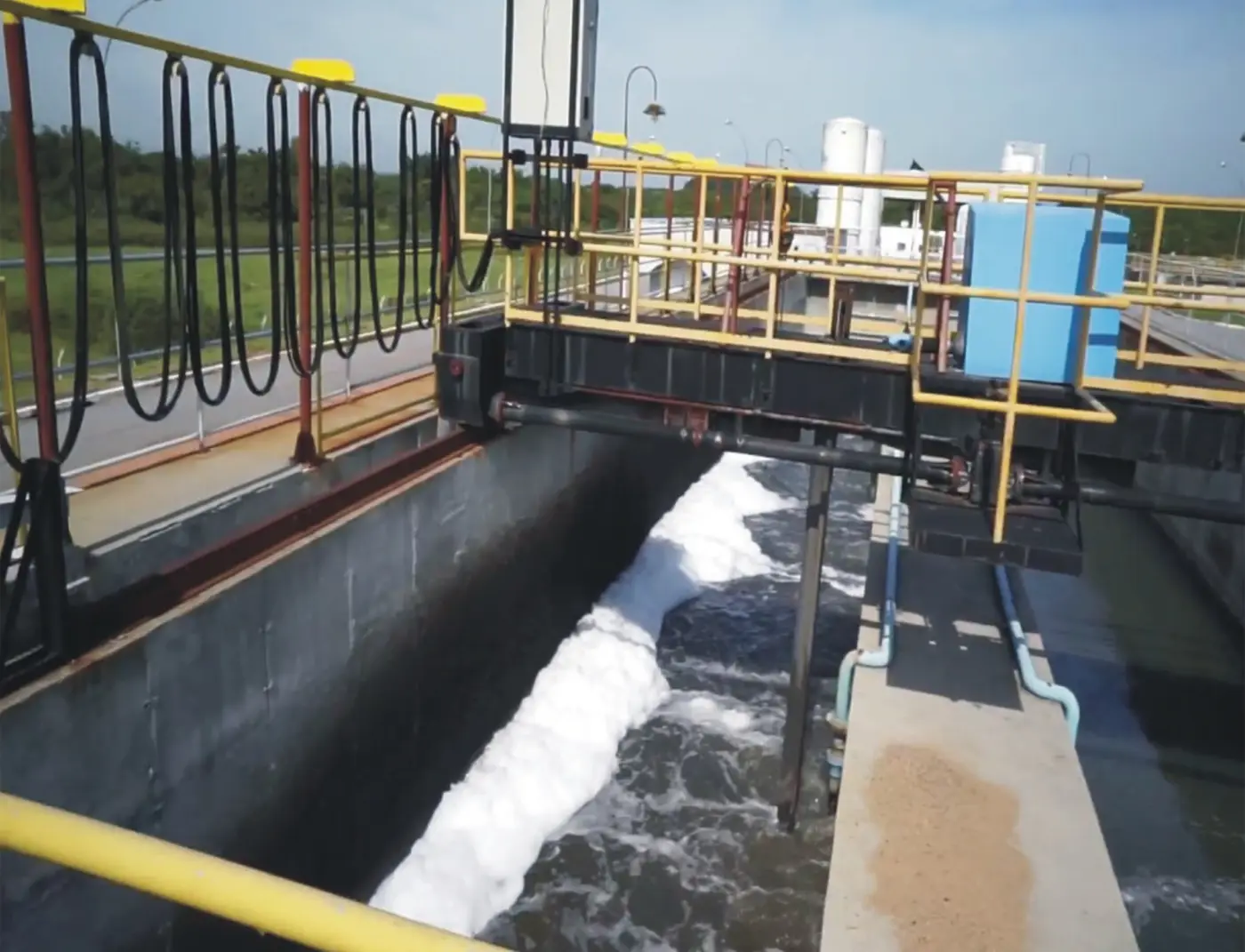
Process Design & Engineering
Our engineers design water treatment systems ranging from simple refurbishments to complete new facilities.
Discuss a project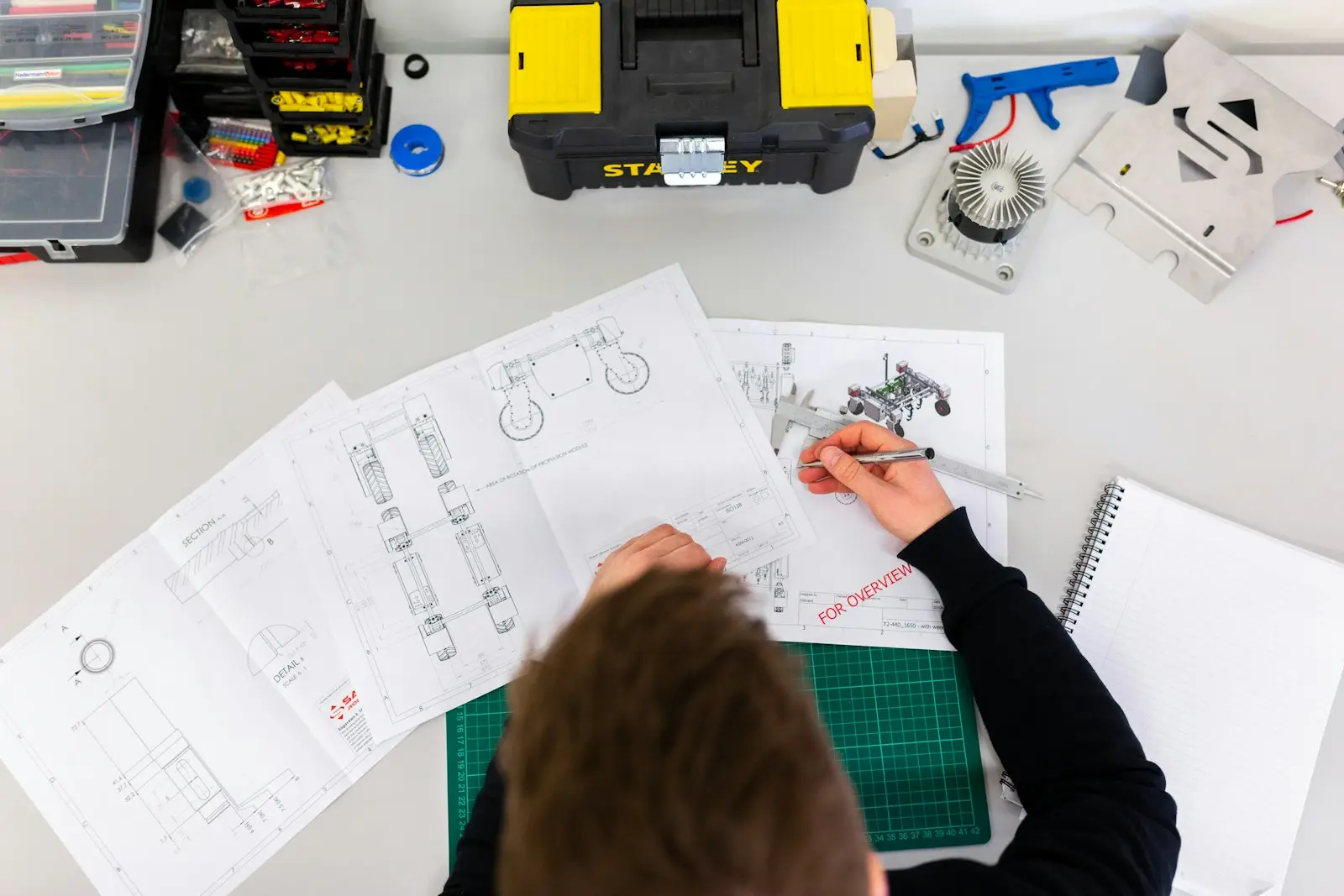
Every product, process and solution we provide is grounded in hands-on experience of real water systems.
Our specialists bring the peace of mind that only comes from working with professionals who have delivered successful outcomes time and again.
Our engineers design water treatment systems ranging from simple refurbishments to complete new facilities.
Discuss a project
Perspectives from our specialists on new technologies, emerging challenges and practical best practice.
Read the blog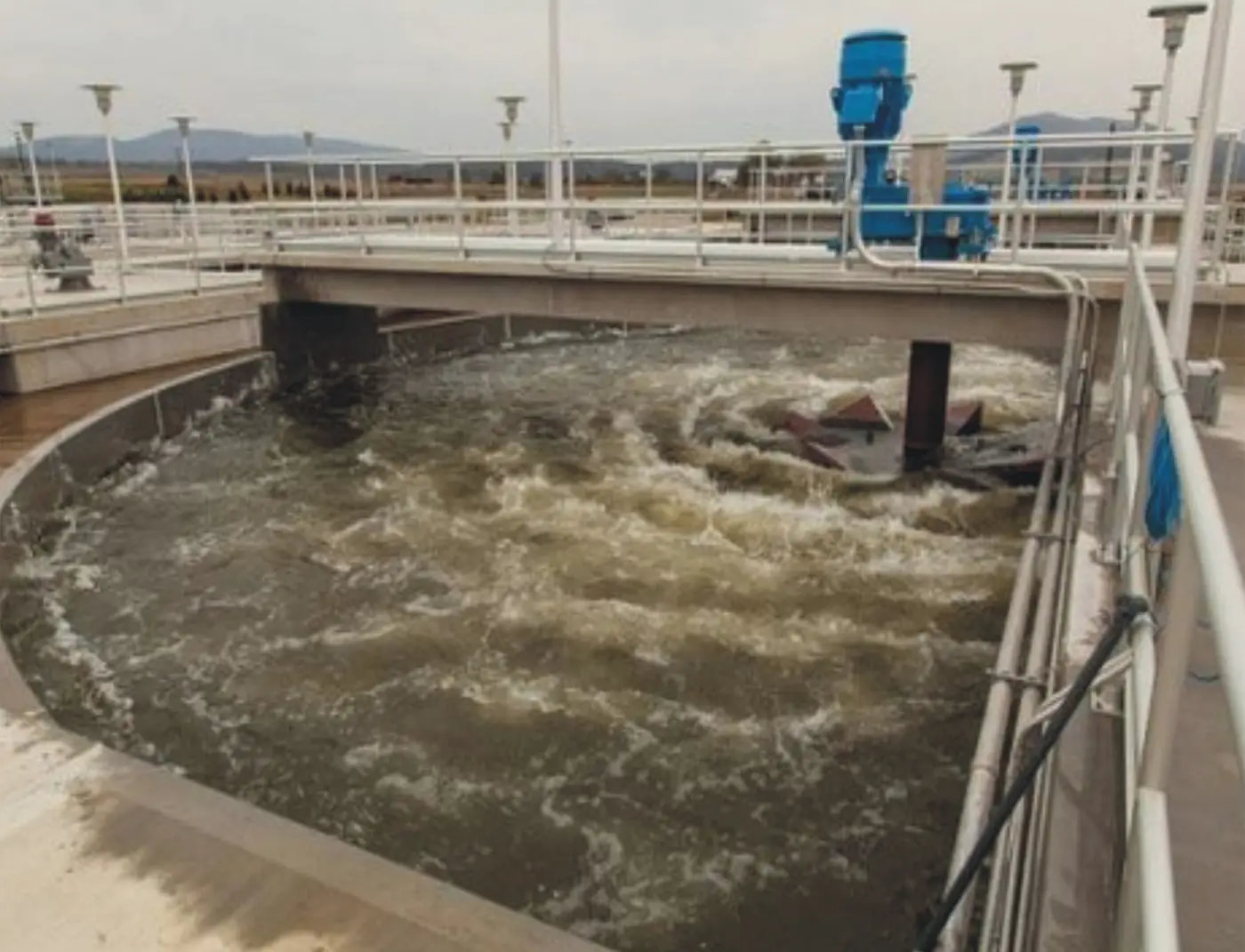
Articles on the latest industrial water treatment challenges, technologies and approaches.
Explore trends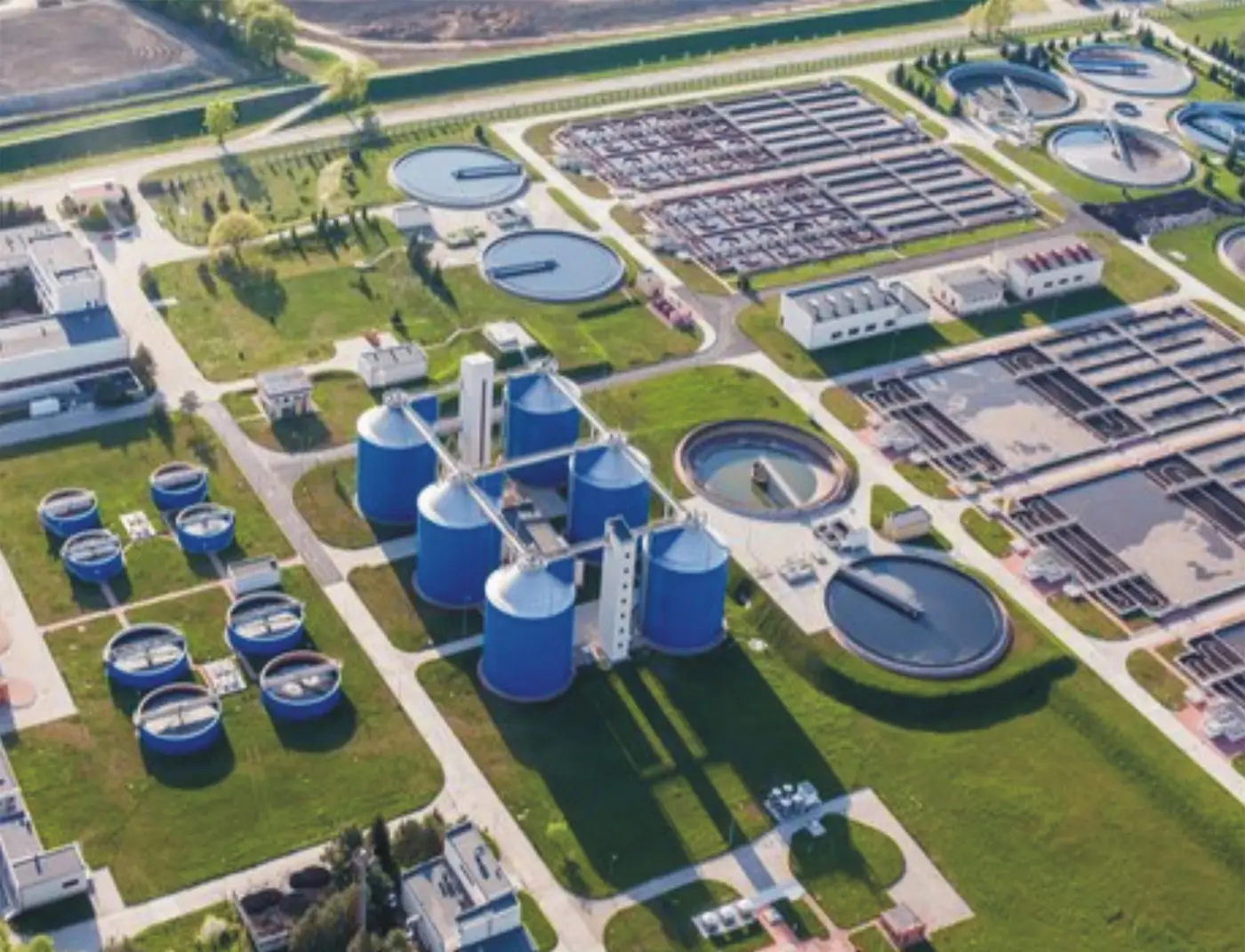
Plain-English guides to the basics of boiler, cooling, closed system and wastewater treatment.
View the guides
Product data sheets, safety data sheets and technical bulletins, available on request.
Request documentsSelecting and developing chemistries to suit specific water qualities and operating conditions.
Water, deposit and microbiological analysis to diagnose problems and verify results.
Accurate dose-rate calculations and tools to avoid under- or over-treatment.
Dosing, control and treatment system design from refurbishment to new build.
Practical training for operators, engineers and service technicians.
Documentation and advice to help you meet regulatory requirements.
Short introductions to the most common water treatment applications. For detailed advice, speak to our technical team.
Boiler treatment controls scale, corrosion and carryover. Key elements are pretreatment (usually softening), an oxygen scavenger, an internal scale/corrosion inhibitor, correct alkalinity and a condensate treatment. Regular testing of TDS, sulphite and alkalinity keeps the programme on target.
Open cooling systems concentrate dissolved salts as water evaporates. A combined scale and corrosion inhibitor, a two-biocide programme and controlled bleed keep the system clean. In the UK, ACoP L8 and HSG274 set out how Legionella risk must be managed.
Sealed heating and chilled water circuits should need little make-up. A suitable inhibitor, periodic biocide treatment and monitoring for make-up water, iron and bacteria prevent sludge, corrosion and blockages.
Effluent treatment typically combines pH correction, coagulation and flocculation to remove solids, followed by biological treatment. Jar testing helps select the most cost-effective chemicals and dose rates.
RO membranes need clean, dechlorinated feedwater and an antiscalant matched to the water chemistry. Tracking normalised flow, pressure drop and salt passage shows when cleaning is required.

Tell us about your system and our specialists will recommend the right products, dosing and testing regime, usually within one working day.