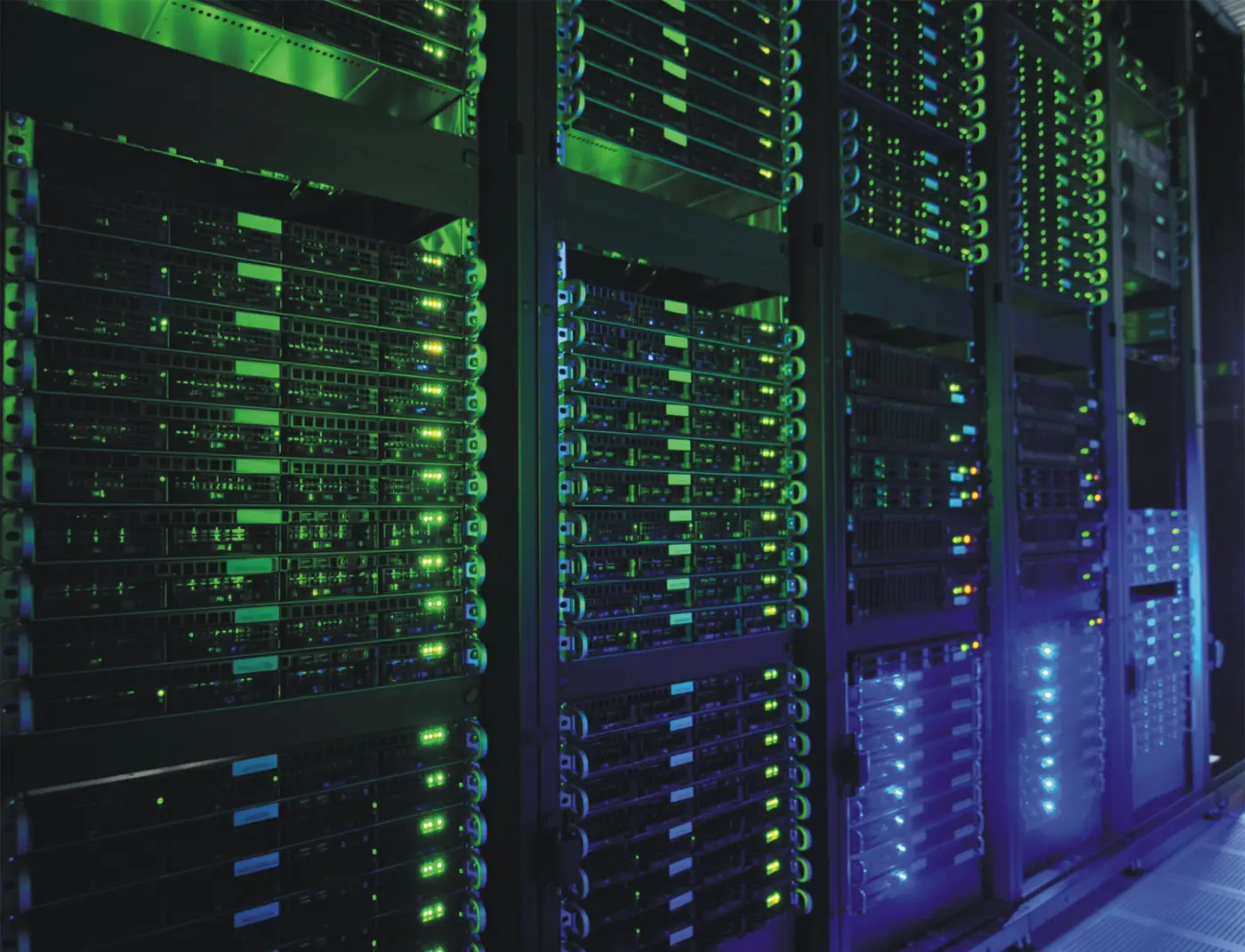
Data centres are built to run for decades, and many rely on evaporative cooling that consumes significant volumes of water. Choosing and protecting the right water source at the design stage can save money, reduce risk and support sustainability commitments for the life of the facility.
1. Understand every available source
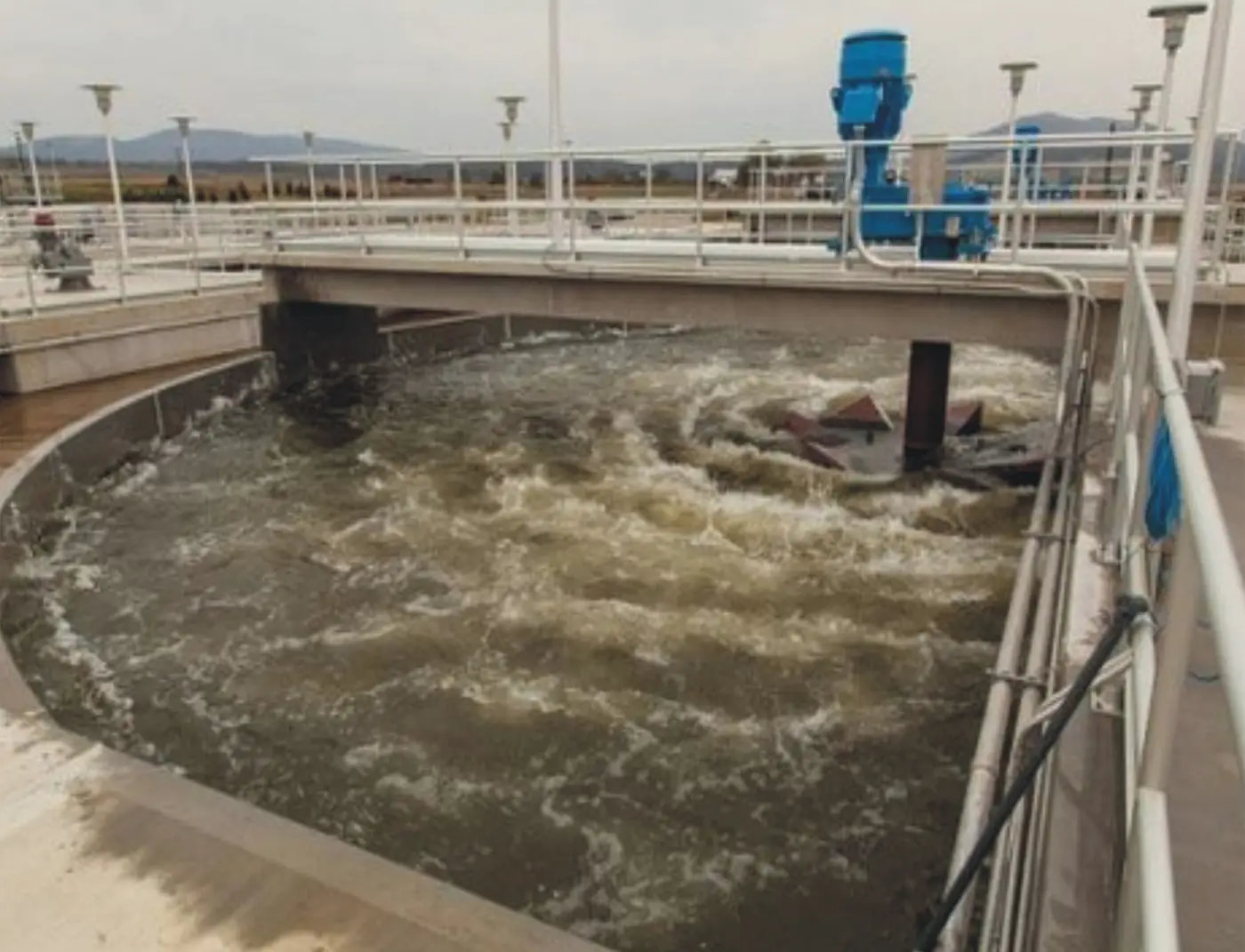
Mains water is the obvious choice, but it isn't always the best. Reclaimed municipal effluent, groundwater, harvested rainwater and even on-site recycled water may be available. Each has a different cost, reliability and quality profile.
Collect several seasons of water quality data where possible. Hardness, alkalinity, silica, chlorides and organics all affect how many cycles of concentration your cooling system can safely run.
2. Design treatment around the water, not the other way round
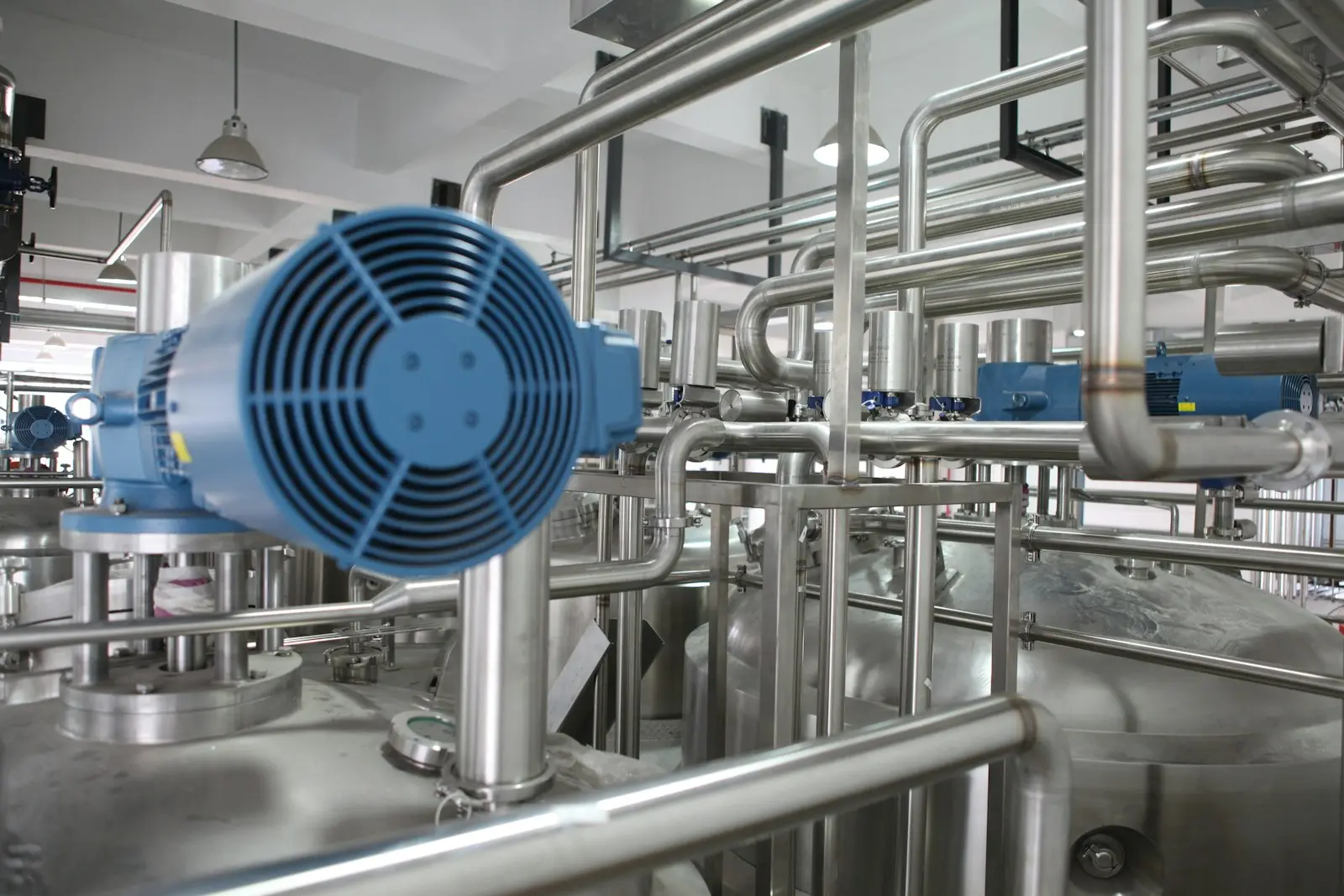
Once you know the water, design pretreatment and chemical programmes to suit it. Softening, filtration or membrane treatment can unlock much higher cycles of concentration, cutting both water use and discharge.
Consider redundancy too. A backup source and treatment flexibility can keep the site running during supply interruptions or quality changes.
The cheapest litre of water is the one you never have to buy or discharge.
3. Monitor, report and keep improving
Water Usage Effectiveness (WUE) is becoming as important to customers as Power Usage Effectiveness. Online monitoring of conductivity, inhibitor levels and microbiology lets operators optimise treatment continuously and report performance with confidence.
Regular reviews with your water treatment partner will reveal further savings as the site's load and climate conditions change.
Plan with confidence
Dagussa supports data centre operators with source assessments, cooling water chemistry and monitoring systems. Explore our data centre solutions.